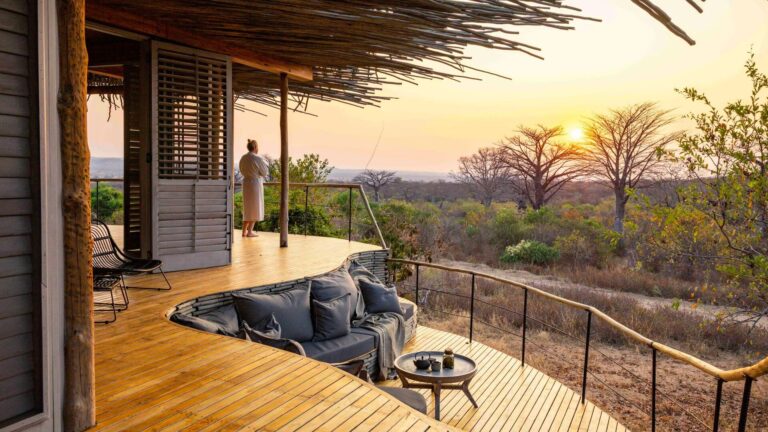
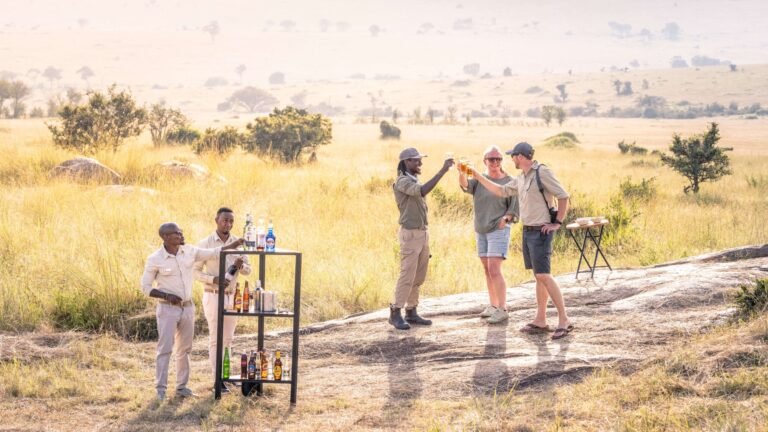
Set your travel window first
Migration movement, weather, and camp availability change by month. Choosing dates first keeps route planning realistic.
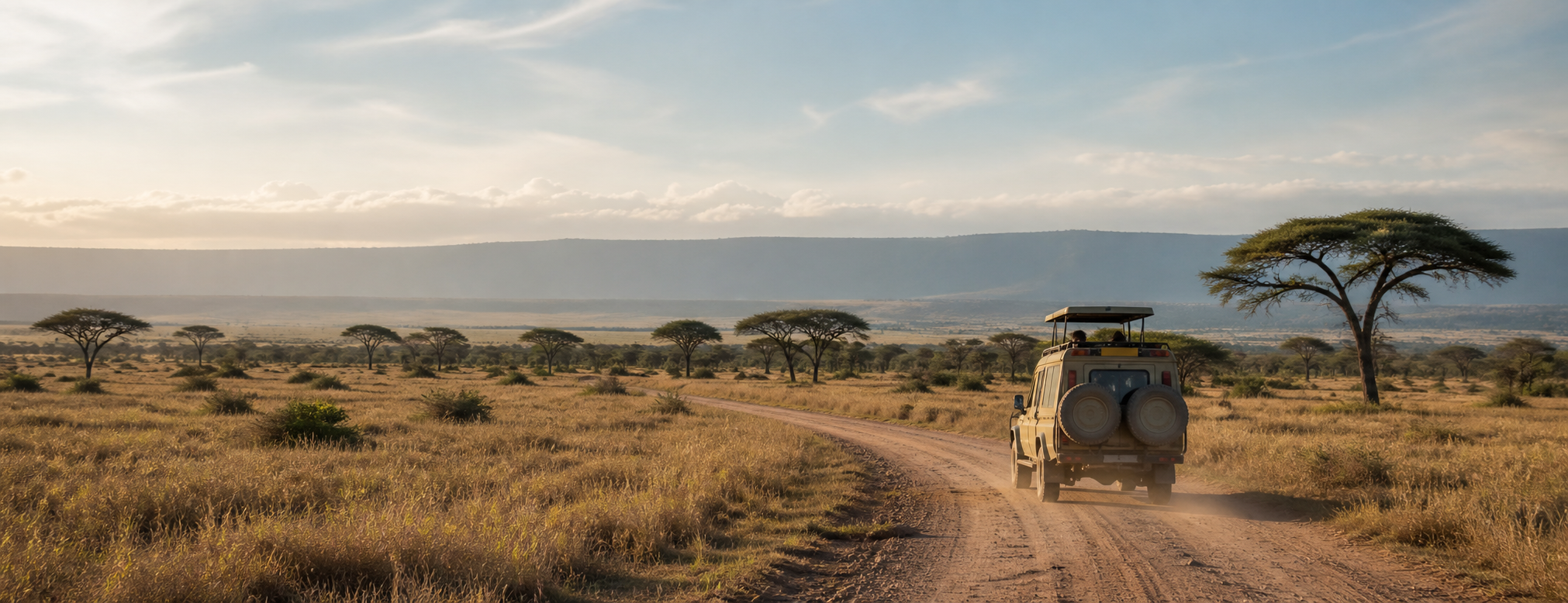
Plan a Tanzania safari with confidence: choose the right season, route, pace, and budget before you commit.
Most travellers begin with park names, but strong safari planning starts earlier: your dates, your travel pace, and your comfort level. Once those are clear, route design becomes easier, costs become more predictable, and the final itinerary feels intentional instead of rushed.
Migration movement, weather, and camp availability change by month. Choosing dates first keeps route planning realistic.
Do not overload too many parks into too few days. A calmer pace usually creates better wildlife moments and less road fatigue.
Budget, mid-range, and luxury can all deliver excellent safaris when camp location and guiding quality are right.
Peak months and top camps can sell out early. Early planning protects your preferred dates and room categories.
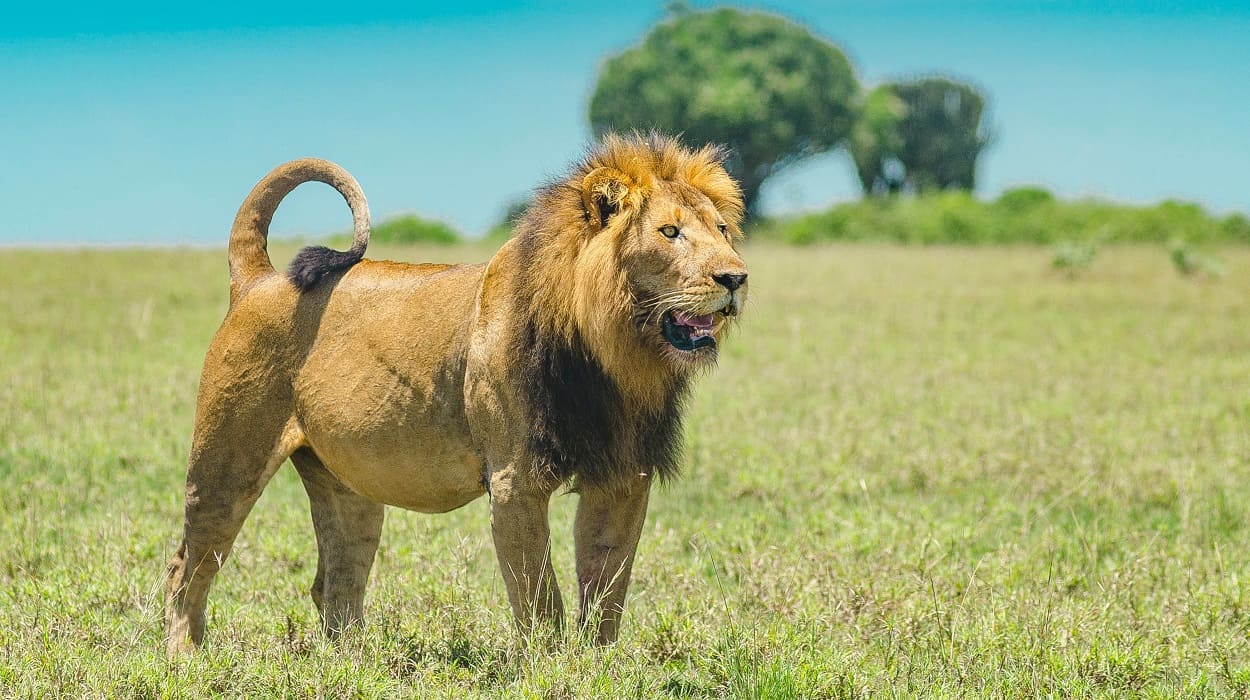
A good Tanzania itinerary balances wildlife priorities with logistics on the ground. Transfer time, park entry rhythm, camp location, and internal flight choices all affect what your day actually feels like once you are in the field.
Great for Tarangire, Ngorongoro, and Serengeti combinations when routed efficiently.
Adds flexibility for migration positioning, slower pacing, or pairing with cultural and walking experiences.
Driving saves budget; fly-ins protect time and comfort on longer combinations.
Private trips suit families, photographers, and honeymooners who need flexibility and control over pace.
Trying to fit too many parks into too few days. This usually creates long transfer-heavy days and less quality game-drive time.
Usually no. Your travel month should guide route design because wildlife movement, weather, and camp access change through the year.
For many travellers, yes. Private trips improve pacing flexibility, photography positioning, family logistics, and stop timing throughout each day.
Start as early as possible for peak seasons, festive travel, and premium camps. Early planning gives stronger room and route choices.
Tell us your dates, travel style, and priorities. We will recommend the right route, season, and pacing for your trip.