Train for consecutive days
Back-to-back hiking sessions matter more than occasional high-intensity workouts.
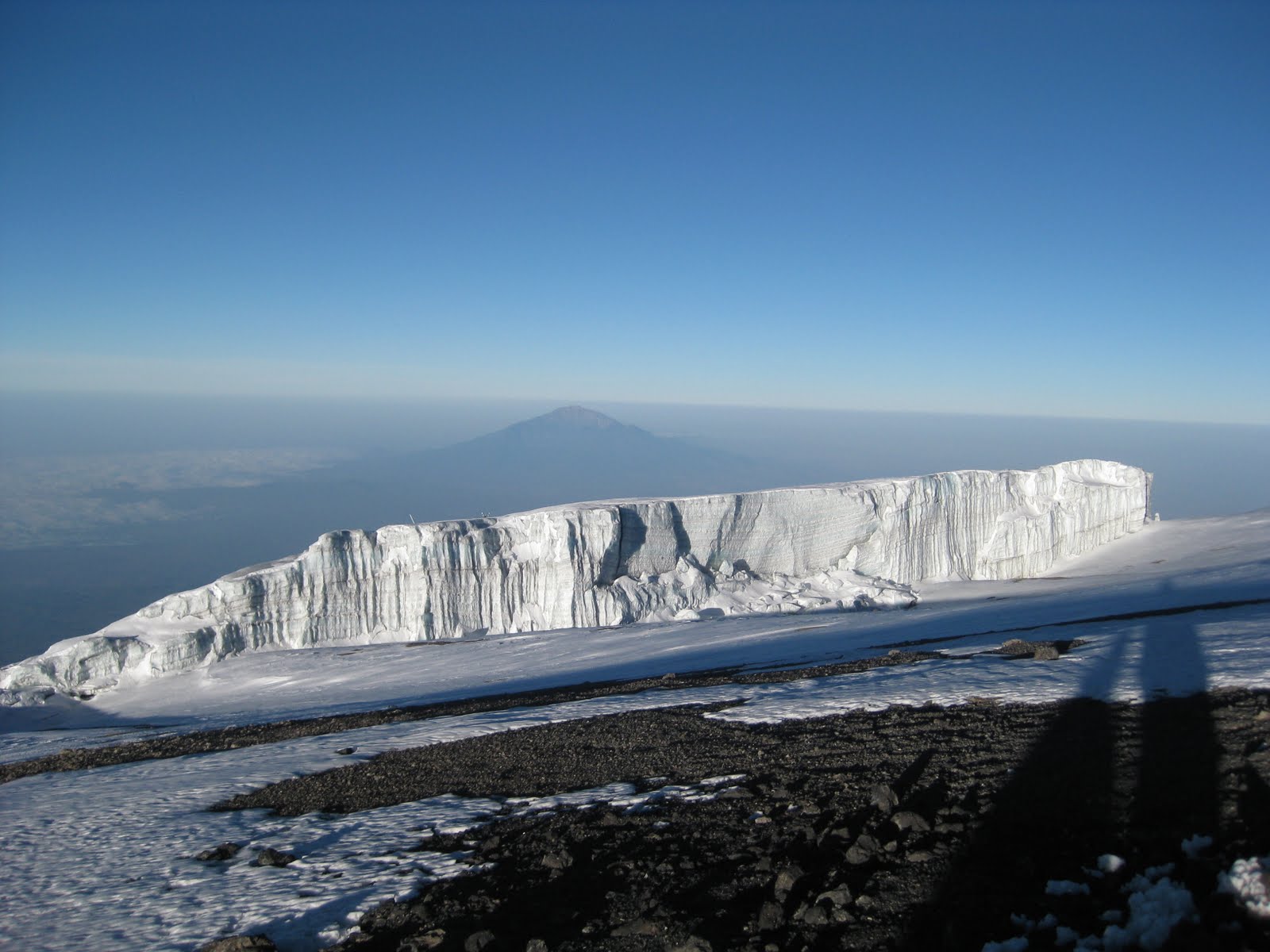
Follow a realistic Kilimanjaro training approach focused on endurance, hiking rhythm, and recovery.
Kilimanjaro training should build steady endurance, uphill comfort, and recovery discipline. Consistency over several weeks matters more than occasional intense sessions.
Back-to-back hiking sessions matter more than occasional high-intensity workouts.
Consistent cardio and incline walking improve mountain-day comfort and resilience.
Leg, core, and hip stability reduce fatigue on long descents and uneven terrain.
Sleep, hydration, and gradual load progression prevent overtraining before travel.
The mountain challenges repeat over several days, so your training should include back-to-back efforts, leg durability, and smart rest planning.
Combine cardio, incline hiking, and strength sessions with at least one full recovery day.
Increase training load gradually to build durability without injury risk.
Practice consecutive hiking days to mirror mountain fatigue patterns.
Reduce intensity in final days before travel so you arrive rested and ready.
No technical climbing experience is required for Kilimanjaro, but you do need solid walking fitness, patience with altitude, and the right preparation.
Underestimating the importance of pacing and layering. Many travellers focus on summit night and forget that the earlier days set up the whole climb.
Yes. Many core items can be rented, but you should still arrive with well-fitted personal essentials such as socks, base layers, and anything medically important.
Tell us your dates, travel style, and priorities. We will recommend the right route, season, and pacing for your trip.