Light and timing strategy
Golden-hour planning often delivers more value than increasing total park count.
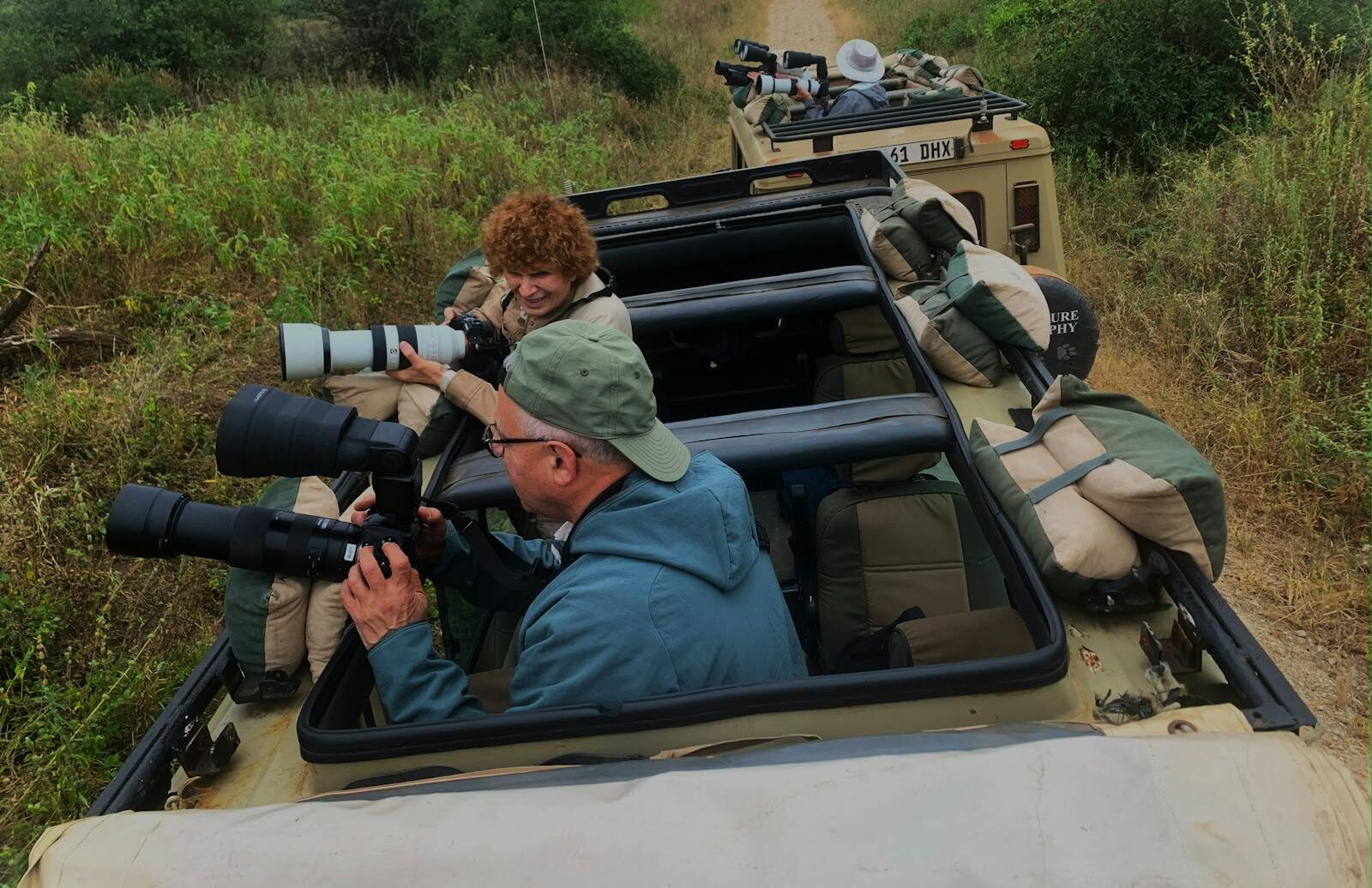
Plan a photography-focused Tanzania safari with better light, positioning, and wildlife behavior opportunities.
A strong photo safari prioritizes light windows, patient guiding, and thoughtful positioning over rushing through too many parks. Structure the itinerary around shooting opportunities, not just distance covered.
Golden-hour planning often delivers more value than increasing total park count.
Photography-friendly vehicle pacing and positioning can transform shot quality.
Prepare focal-length range, backup batteries, storage, and dust protection in advance.
Experienced guides who read behavior patterns are key for ethical and productive sightings.
Image quality improves most when pacing, behavior timing, and vehicle cooperation are planned early. Equipment matters, but route rhythm and guide decisions usually matter more.
Prioritize softer light windows and protect mid-day blocks for rest, transfer, or curation.
Strong wildlife imagery depends on anticipation, not only proximity or long-lens reach.
Carry cleaning essentials and backup storage strategy to avoid losing full shooting days.
Maintain respectful distance and avoid pressuring wildlife behavior for image capture.
No. Strong outcomes come from planning, light timing, and guide coordination more than body price alone.
Usually yes, because it gives flexibility for angles, wait time, and repeated approach when behavior develops.
A mixed setup with wide, mid, and telephoto coverage is ideal so you can handle landscapes and close wildlife scenes.
Absolutely. Many travelers use these itineraries to learn field habits while still enjoying classic safari experiences.
Tell us your dates, travel style, and priorities. We will recommend the right route, season, and pacing for your trip.


