Seasonality by habitat
Wetlands, rift lakes, woodlands, and highland edges each peak differently through the year.

Discover top Tanzania birding habitats, seasons, and practical route choices for rewarding birdwatching safaris.
Birdwatching results improve when routes are built around habitat diversity and seasonal movement. Tanzania offers excellent combinations of wetlands, woodland, and savannah edge zones.
Wetlands, rift lakes, woodlands, and highland edges each peak differently through the year.
Strong birding itineraries combine both resident species strengths and migratory windows.
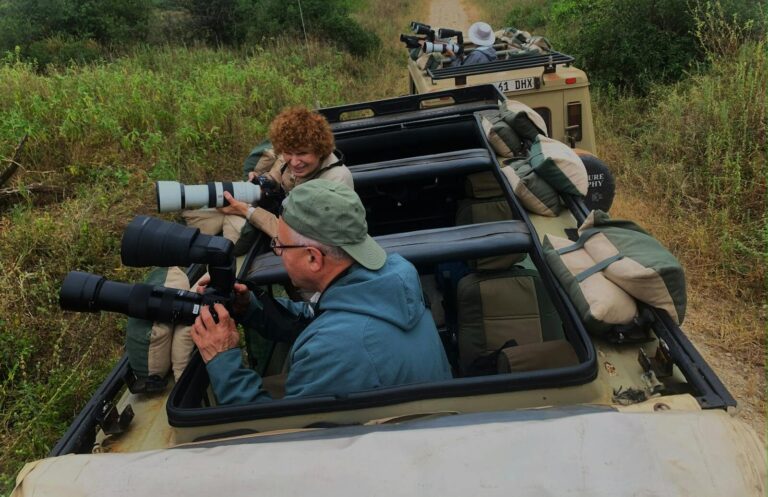
Birding-focused routes benefit from slower drives and strategic early starts.
Birding can be layered into mainstream safari routes without compromising wildlife variety.
Early starts, slower transitions, and habitat-first routing produce better species depth than long-distance transfer-heavy schedules.
Plan each day around habitat transitions rather than only long-distance park transfer goals.
Consistent note-taking and optics readiness improve species tracking and trip satisfaction.
Birding value can remain strong in multiple months if route and habitat matching are precise.
Request a guide confident in both birding identification and broader wildlife interpretation.
For most first-time travellers, 5 to 8 days is the sweet spot. That gives you time for two to four major areas without rushing every game drive or losing too much of the trip to transfers.
Private safaris give you more flexibility with timing, pace, photography stops, and family logistics. Shared departures can reduce cost, but they work best when your dates and expectations are flexible.
Peak migration windows, premium camps, and the most requested family periods usually need earlier booking. If your trip depends on a specific season or room type, it is smart to start planning well in advance.
Tell us your dates, travel style, and priorities. We will recommend the right route, season, and pacing for your trip.