Acclimatization needs time
Longer routes generally improve adaptation opportunities and reduce altitude-related stress.
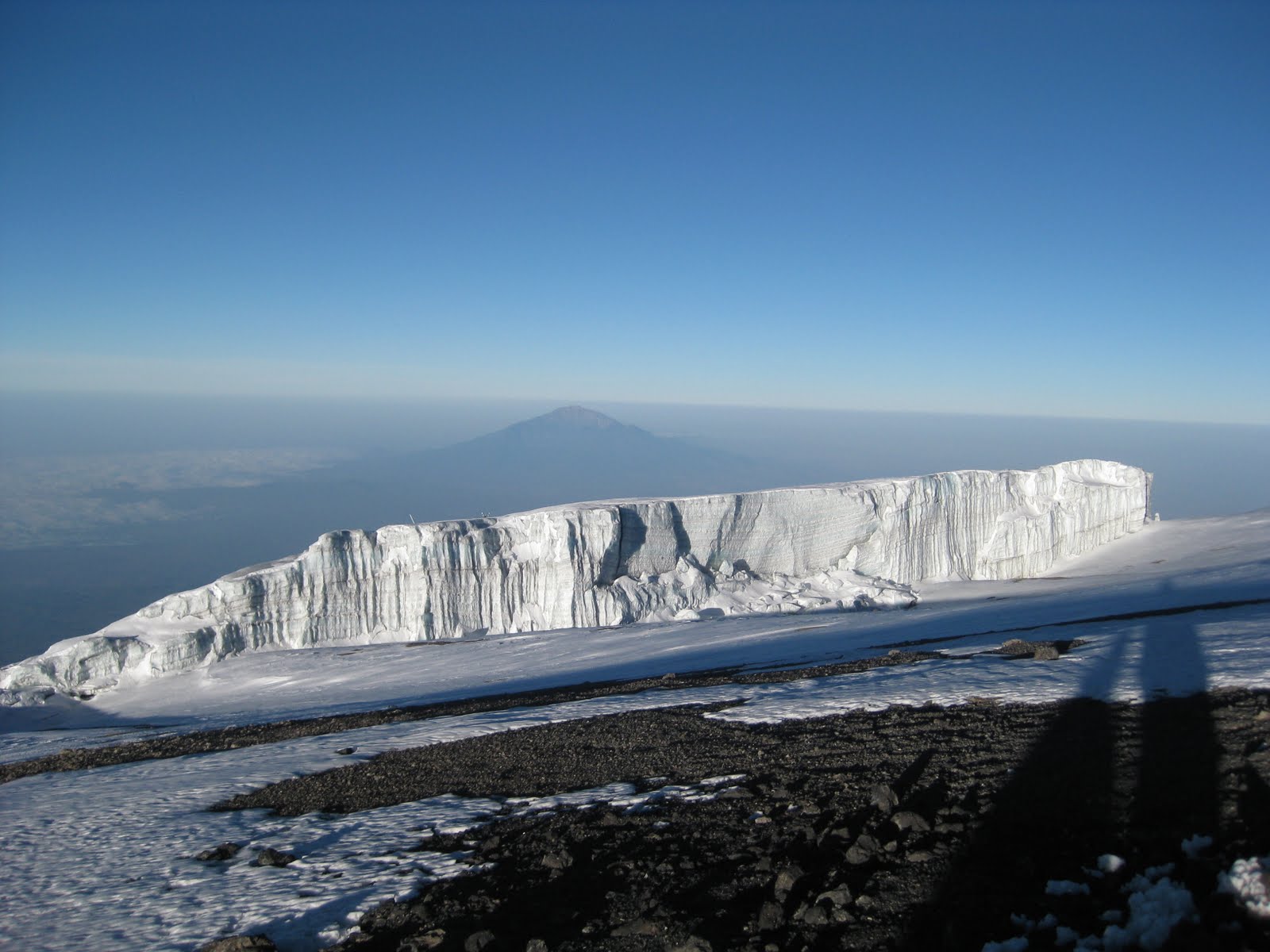
Understand acclimatization principles and how route choice influences Kilimanjaro summit success.
Altitude success on Kilimanjaro depends on route length, pacing discipline, and early symptom communication. Preparation helps, but itinerary design is decisive.
Longer routes generally improve adaptation opportunities and reduce altitude-related stress.
Slow, controlled pace and hydration routines can be as important as physical fitness.
Knowing common AMS warning signs helps guides respond quickly and appropriately.
Pre-trip altitude prep can help some travellers, but cannot replace route and pacing strategy.
Use route choice and daily pace to support acclimatization. Treat symptom reporting and guide communication as core safety tools, not optional extras.
Longer routes generally improve acclimatization probability compared with compressed schedules.
Steady fluid intake, slower pace, and consistent rest support better adaptation.
Early communication with guides is crucial when symptoms appear, even if mild.
Strong teams prioritize health response and descent decisions over summit pressure.
No technical climbing experience is required for Kilimanjaro, but you do need solid walking fitness, patience with altitude, and the right preparation.
Underestimating the importance of pacing and layering. Many travellers focus on summit night and forget that the earlier days set up the whole climb.
Yes. Many core items can be rented, but you should still arrive with well-fitted personal essentials such as socks, base layers, and anything medically important.
Tell us your dates, travel style, and priorities. We will recommend the right route, season, and pacing for your trip.