The Great Wildebeest Migration is one of the most spectacular wildlife events on Earth. Every year, over two million wildebeests, zebras, and gazelles move across the vast plains of East Africa in search of fresh grazing and water, creating an unforgettable natural spectacle filled with drama, survival, and breathtaking beauty.
Stretching across the ecosystems of Serengeti National Park and Kenya’s Maasai Mara, the migration is often called the “Greatest Wildlife Show on Earth.” It is a journey shaped by rainfall patterns, predator activity, and ancient migration instincts that have existed for thousands of years.
For traveler’s planning a Tanzania safari in 2026, understanding where the migration moves throughout the year is essential for choosing the best safari experience.
This complete guide explains everything you need to know about the Great Wildebeest Migration in 2026 — including the best times to visit, migration locations by season, river crossings, calving season, safari tips, and how to plan the ultimate migration adventure.
What is the Great Wildebeest Migration?
The Great Migration is a continuous circular movement of wildlife through the Serengeti-Mara ecosystem.
Each year, approximately:
- 1.5 million wildebeests
- 300,000 zebras
- Hundreds of thousands of gazelles
move across Tanzania and Kenya following seasonal rains and fresh grass.
Unlike a single event, the migration is happening year-round. The animals constantly move between different regions depending on weather conditions and food availability.
The migration also attracts predators such as:
- Lions
- Leopards
- Cheetahs
- Hyenas
- Crocodiles
creating some of the most dramatic wildlife encounters in Africa.
Why the Great Migration is So Special
The migration is unique because of its scale, unpredictability, and raw natural drama.
Visitors may witness:
- Thousands of wildebeests covering the plains
- Dramatic river crossings
- Predator hunts
- Newborn calves taking their first steps
- Dust-filled stampedes
- Endless grazing herds stretching to the horizon
No two migration safaris are ever exactly the same.
The experience changes every month, making it one of the world’s greatest safari adventures.
The Great Migration Calendar for 2026
Understanding the migration cycle helps traveler’s choose the best time and location for their safari.
January to March — Calving Season in Ndutu
During the early months of the year, the migration gathers in the southern Serengeti and Ndutu plains within the Ngorongoro Conservation Area.
This is calving season.
Between January and March:
- Hundreds of thousands of wildebeests gather on nutrient-rich plains
- Around 8,000 calves can be born in a single day
- Predator activity becomes extremely high
This period offers:
- Incredible wildlife photography
- Baby animal sightings
- Dramatic predator action
- Beautiful green landscapes
The calving season is especially popular with photographers and wildlife enthusiasts.
April to May — The Green Season Movement
As rains continue, the herds begin moving northwest across the central and western Serengeti.
This period features:
- Lush green scenery
- Fewer tourists
- Large moving herds
- Excellent birdwatching
Although rainfall can occur, this season provides beautiful dramatic skies and quieter safari experiences.
Migration safaris during this time often feel more private and immersive.
June to July — Grumeti River Crossings
By June, the migration reaches the western corridor of the Serengeti National Park.
This is when traveler’s may witness:
- Grumeti River crossings
- Massive herd movements
- Crocodile encounters
- Dusty migration scenes
The western corridor offers a combination of river drama and large concentrated herds.
This period marks the beginning of the dry season and is one of the most exciting times for safari travel.
July to October — Mara River Crossing Season
This is the most famous stage of the Great Migration.
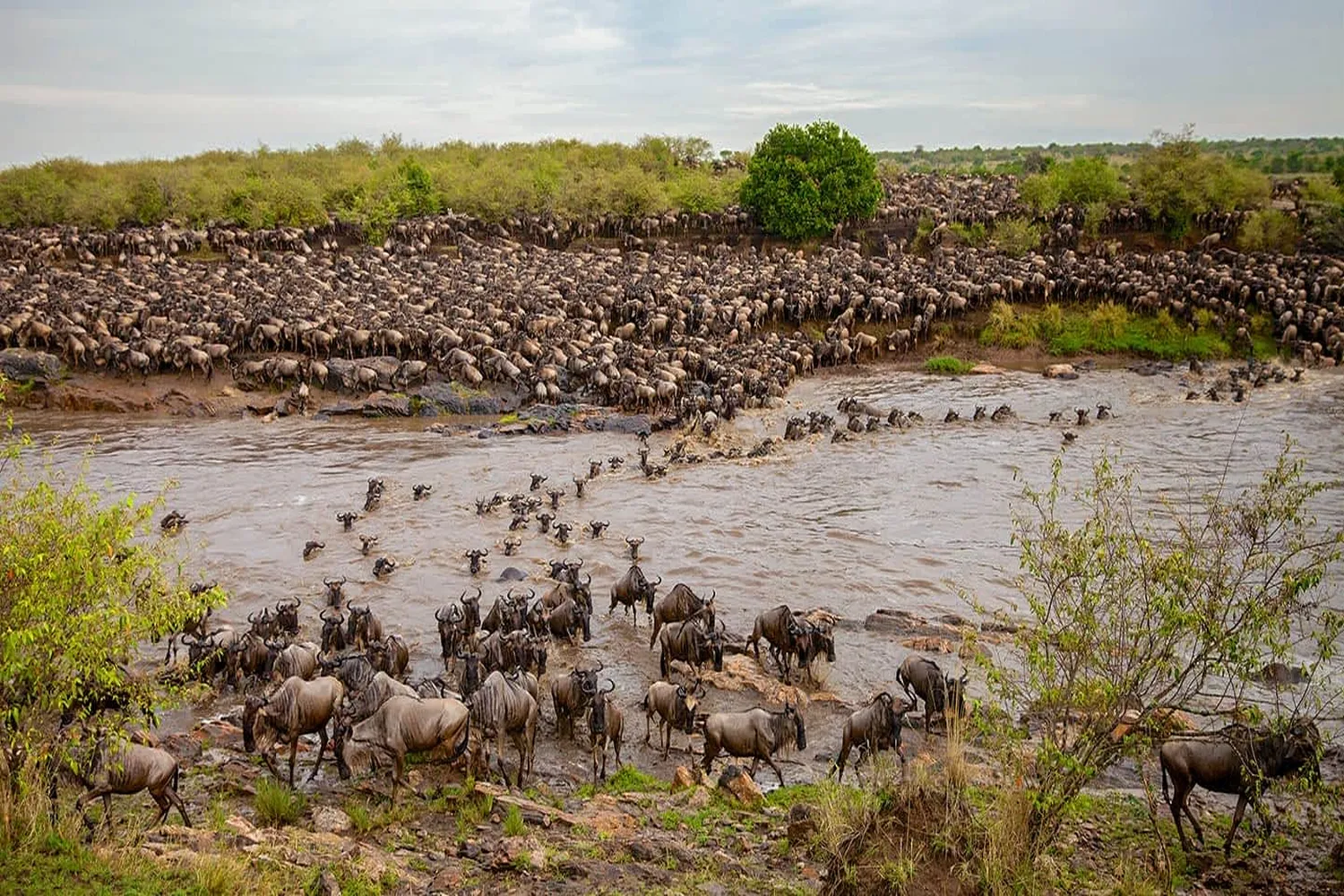
During these months, the herds move toward Northern Serengeti and Kenya’s Maasai Mara, crossing the dangerous Mara River.
The river crossings are dramatic because:
- Wildebeests hesitate before jumping
- Strong currents create chaos
- Crocodiles wait below the surface
- Thousands of animals cross together
These crossings are unpredictable and emotional, making them one of the most iconic safari experiences in Africa.
Popular migration areas during this season include:
- Kogatende
- Lamai
- Northern Serengeti
- Mara River regions
This is also the busiest safari season, so early booking is highly recommended.
November to December — Return to Southern Serengeti
As short rains begin, the migration gradually moves south again toward the Ndutu plains.
The herds spread across:
- Central Serengeti
- Southern Serengeti
- Ndutu region
This transitional season offers:
- Fresh green landscapes
- Excellent wildlife viewing
- Fewer crowds than peak season
- Beautiful photography conditions
The cycle then begins again with calving season shortly afterward.
Best Places to See the Migration in Tanzania
Several regions within the Serengeti ecosystem offer outstanding migration experiences depending on the season.
Southern Serengeti and Ndutu
Best for:
- Calving season
- Predator action
- Baby animals
- Green landscapes
Best time:
- January to March
Central Serengeti (Seronera)
Best for:
- Year-round wildlife viewing
- Resident predators
- General migration movement
Best time:
- Almost all year
Western Corridor
Best for:
- Grumeti River crossings
- Fewer crowds
- Dry season migration
Best time:
- May to July
Northern Serengeti
Best for:
- Mara River crossings
- Luxury migration safaris
- Dramatic herd movements
Best time:
- July to October
Wildlife You Can Expect During the Migration
The migration is not only about wildebeests.
You may also encounter:
- Lions hunting herds
- Leopards in acacia trees
- Cheetahs chasing gazelles
- Hyenas scavenging
- Massive crocodiles near rivers
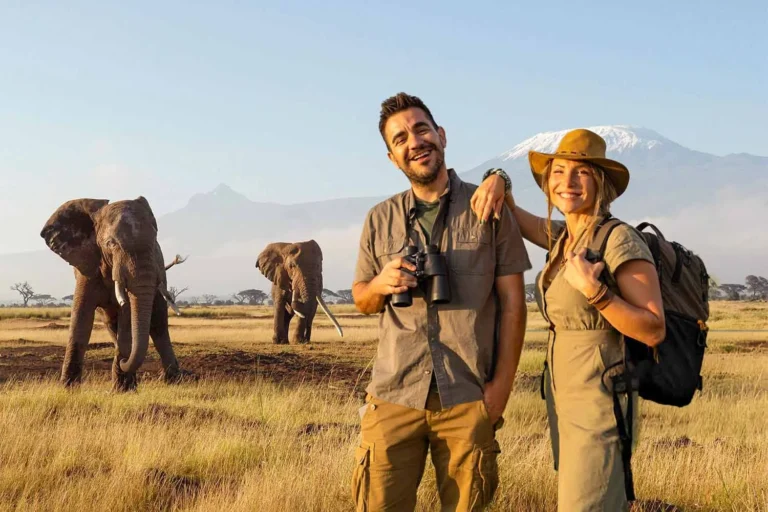
- Elephants roaming nearby
- Thousands of zebras and gazelles
The concentration of predators during migration season creates exceptional game viewing opportunities.
Best Time to Visit for Different Experiences
Best for River Crossings
July to October
Best for Calving Season
January to March
Best for Photography
January to March and June to October
Best for Fewer Crowds
April to May and November
Best Overall Wildlife Experience
June to October
Safari Types for the Great Migration
Travelers can experience the migration in different ways depending on budget and travel style.
Luxury Migration Safaris
Feature:
- Luxury tented camps
- Fly-in safaris
- Private guides
- Premium migration locations
Mid-Range Safaris
Offer:
- Comfortable lodges
- Shared or private game drives
- Great value for traveler’s
Budget Camping Safaris
Provide:
- Authentic adventure experiences
- Affordable migration access
- Guided camping safaris
Hot Air Balloon Safaris
One of the most unforgettable ways to experience the migration is from above.
Flying over the Serengeti at sunrise while watching herds move across the plains is truly magical.
Tips for Planning a Great Migration Safari in 2026
To maximize your migration safari experience:
- Book early for peak season travel
- Choose safari locations based on migration timing
- Plan at least 5–7 safari days
- Travel with experienced local guides
- Include multiple Serengeti regions if possible
- Be flexible because wildlife movement depends on rainfall
Remember that the migration is natural and unpredictable.
Every safari offers something unique.
Why Tanzania Offers the Best Migration Experience
Although the migration crosses into Kenya, the majority of the migration cycle takes place within Serengeti National Park.
Tanzania offers:
- Larger wilderness areas
- Longer migration seasons
- Diverse safari regions
- Excellent conservation
- Fewer crowds in some areas
For many traveler’s, Tanzania provides the most complete Great Migration experience.
Final Thoughts
The Great Wildebeest Migration is more than a safari attraction — it is one of the planet’s greatest natural wonders.
From the calving season in Ndutu to the dramatic Mara River crossings in Northern Serengeti, every stage of the migration reveals the beauty, power, and unpredictability of the African wilderness.
Whether you dream of witnessing thousands of wildebeests crossing crocodile-filled rivers or photographing newborn calves on the green plains, a migration safari in Tanzania is an experience that will stay with you forever.
If you are planning an African safari in 2026, the Great Migration deserves a place at the top of your travel bucket list.